

OSCE Exams at the College of Medicine – A Comprehensive Practical Application of Students' Clinical Skills
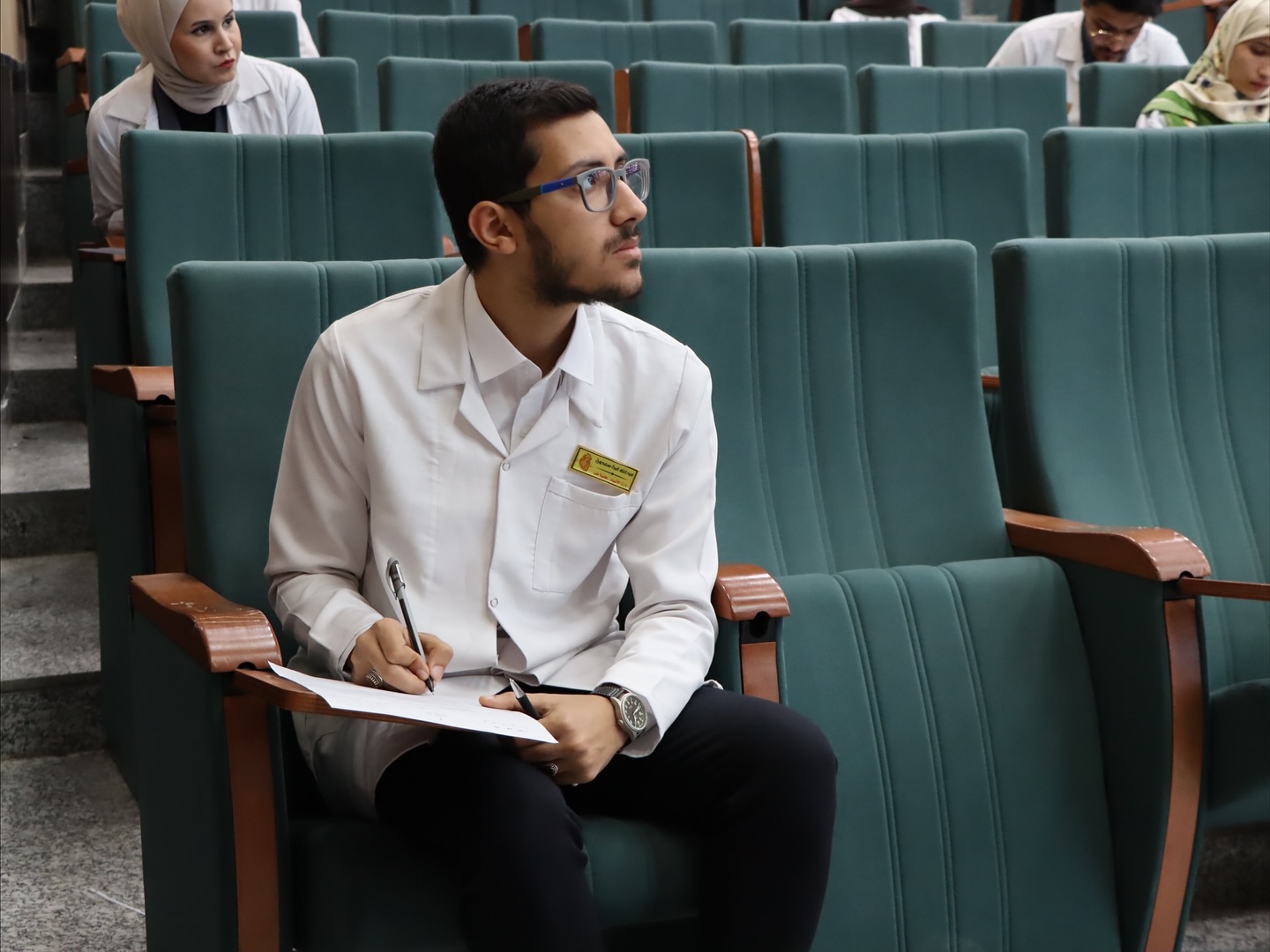
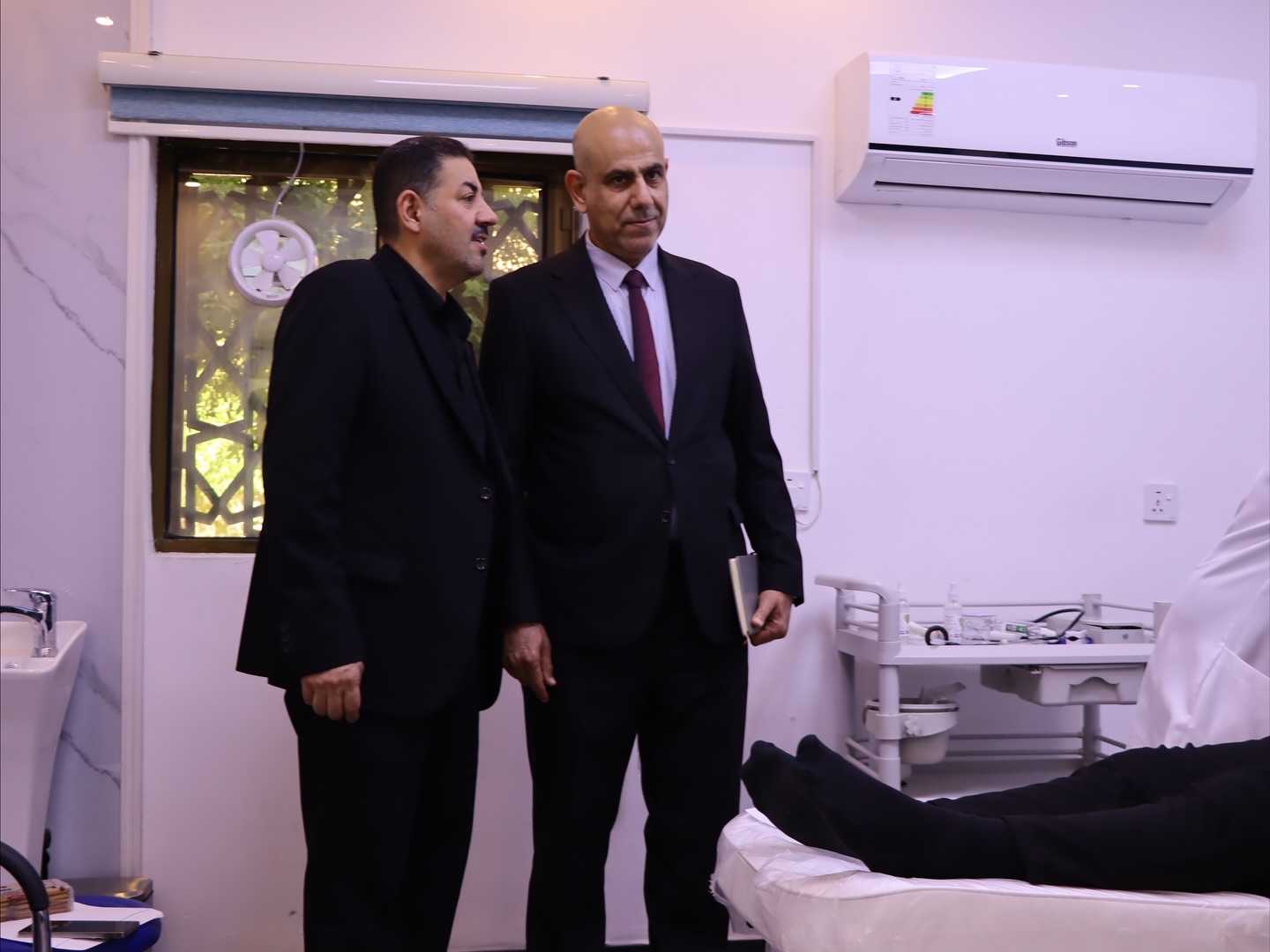
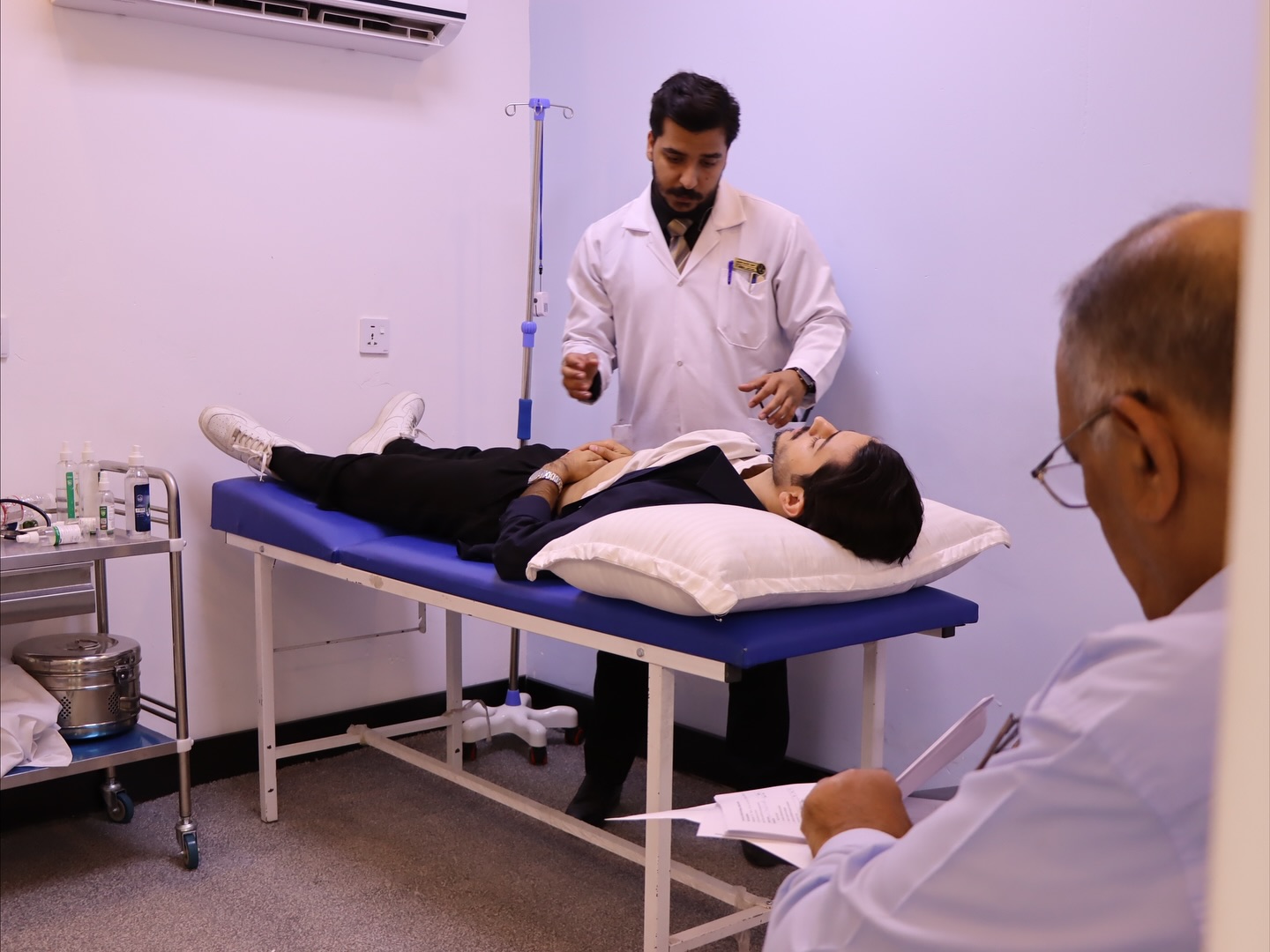
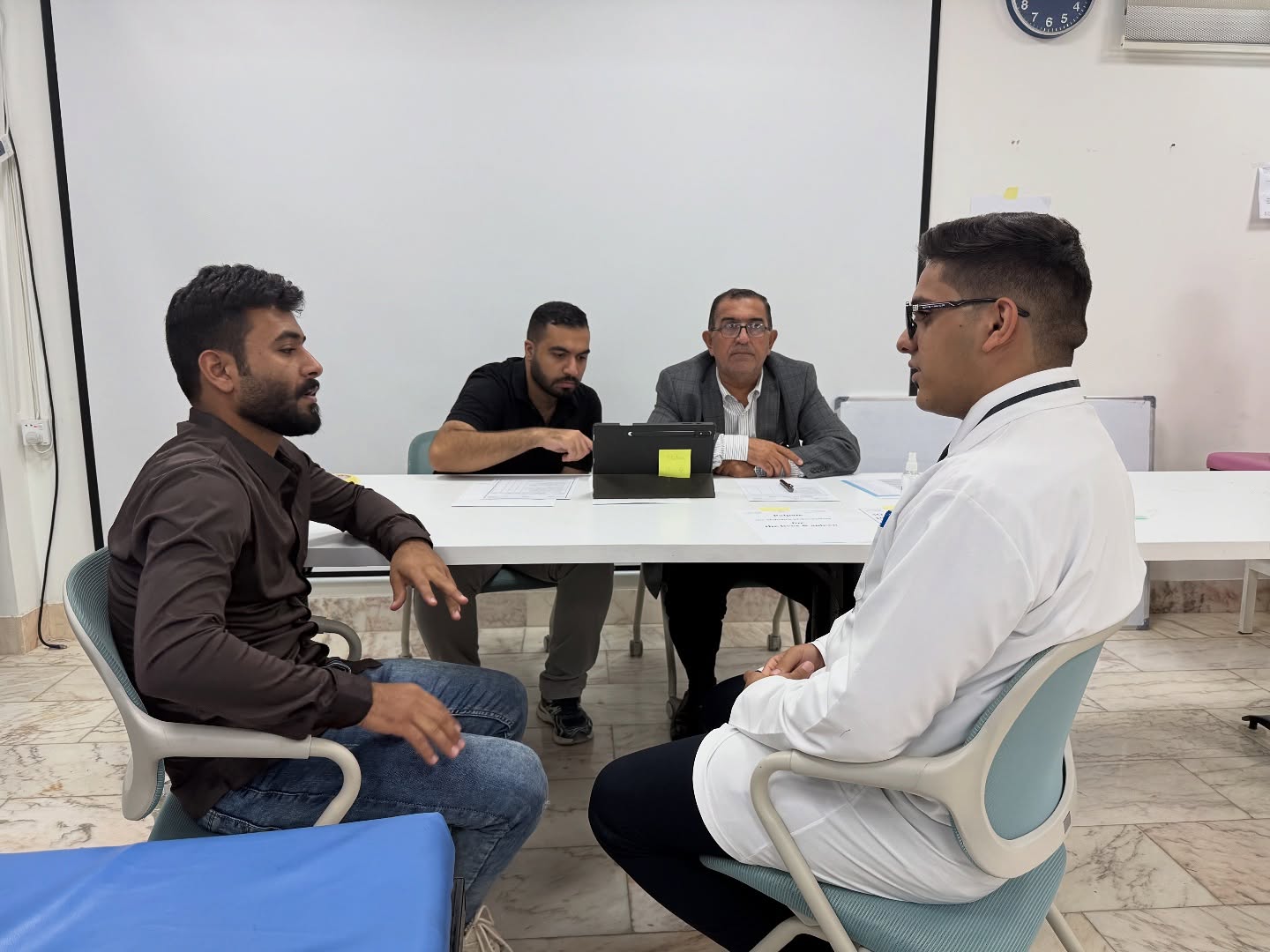
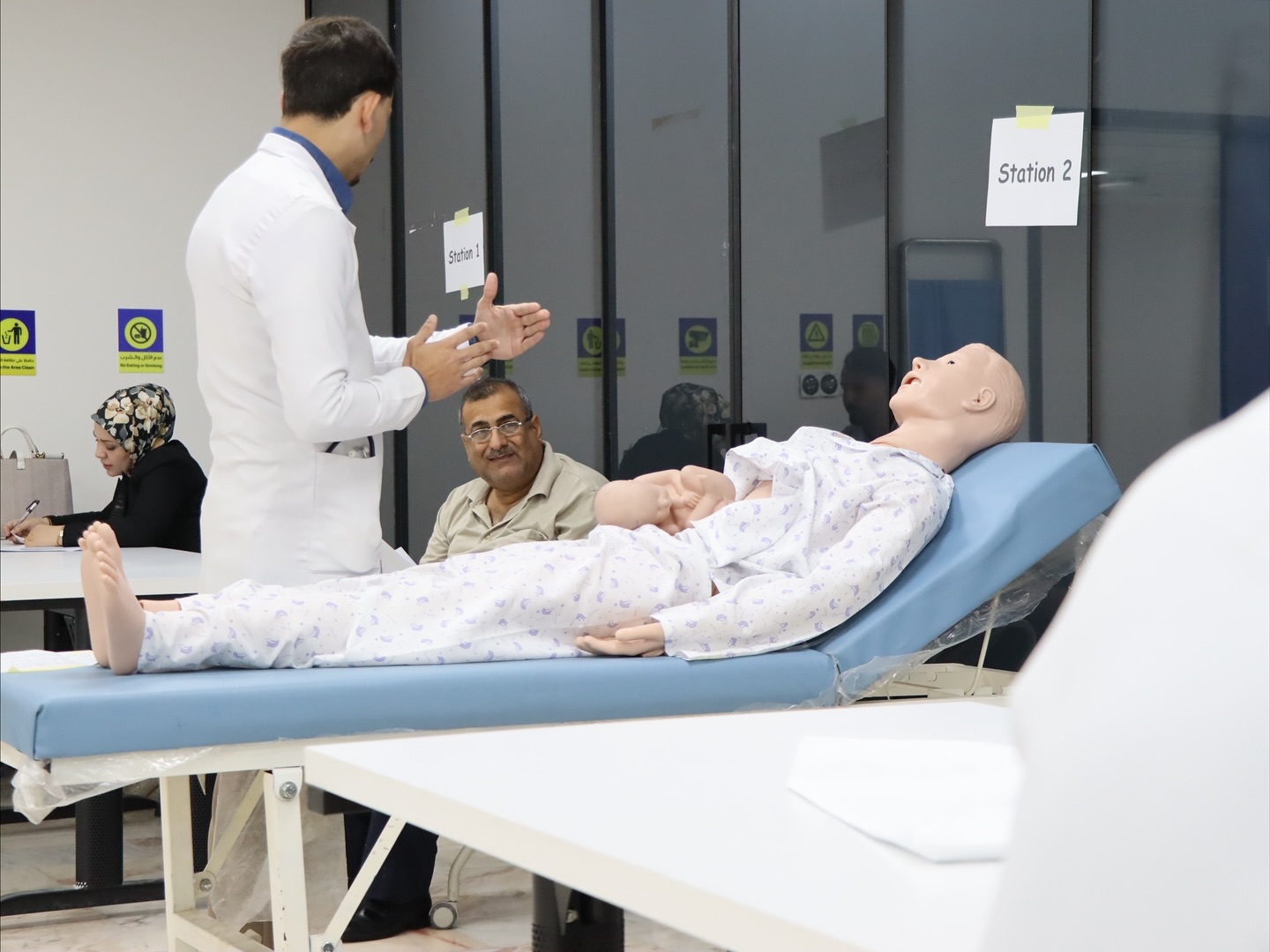
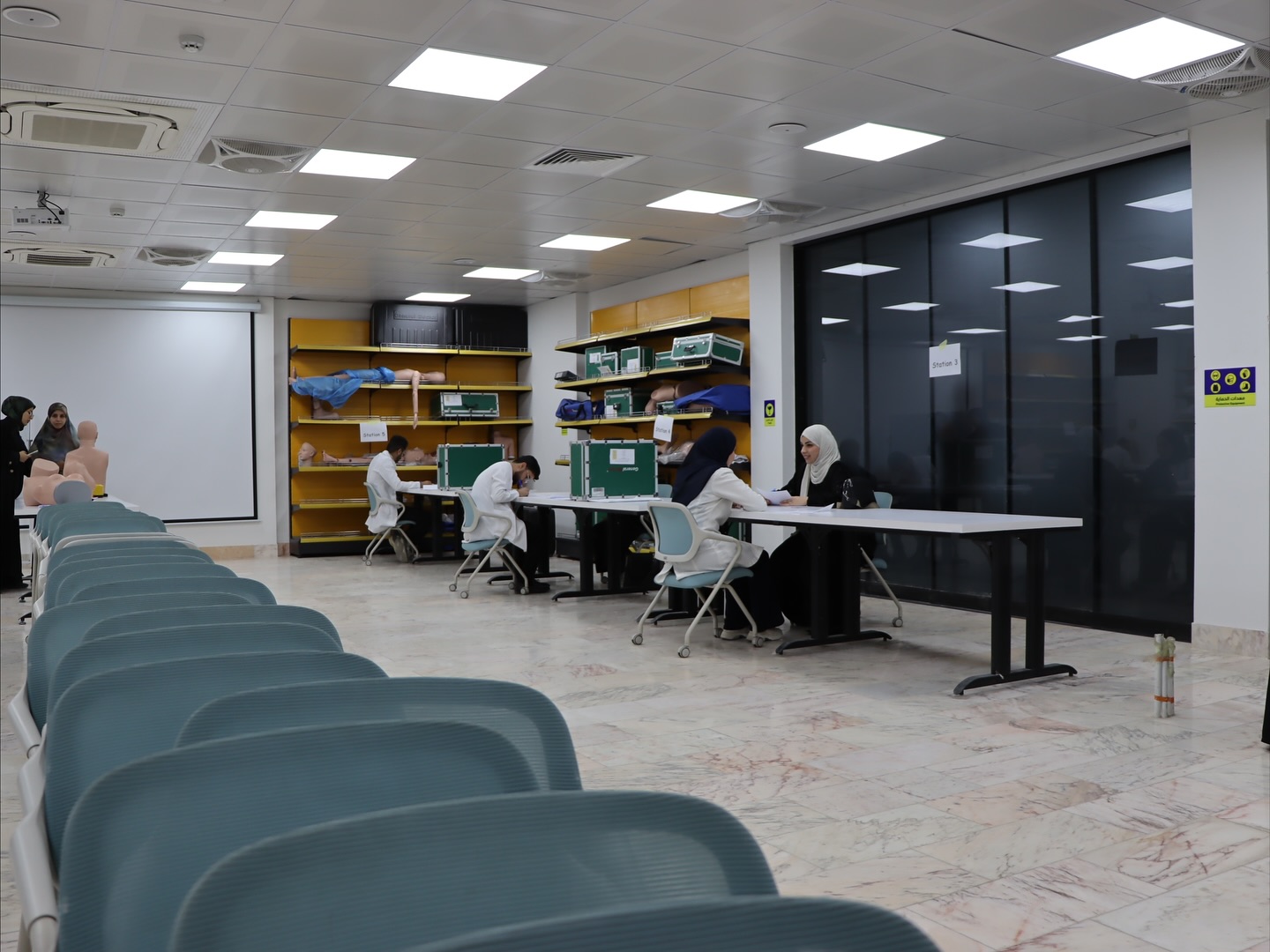
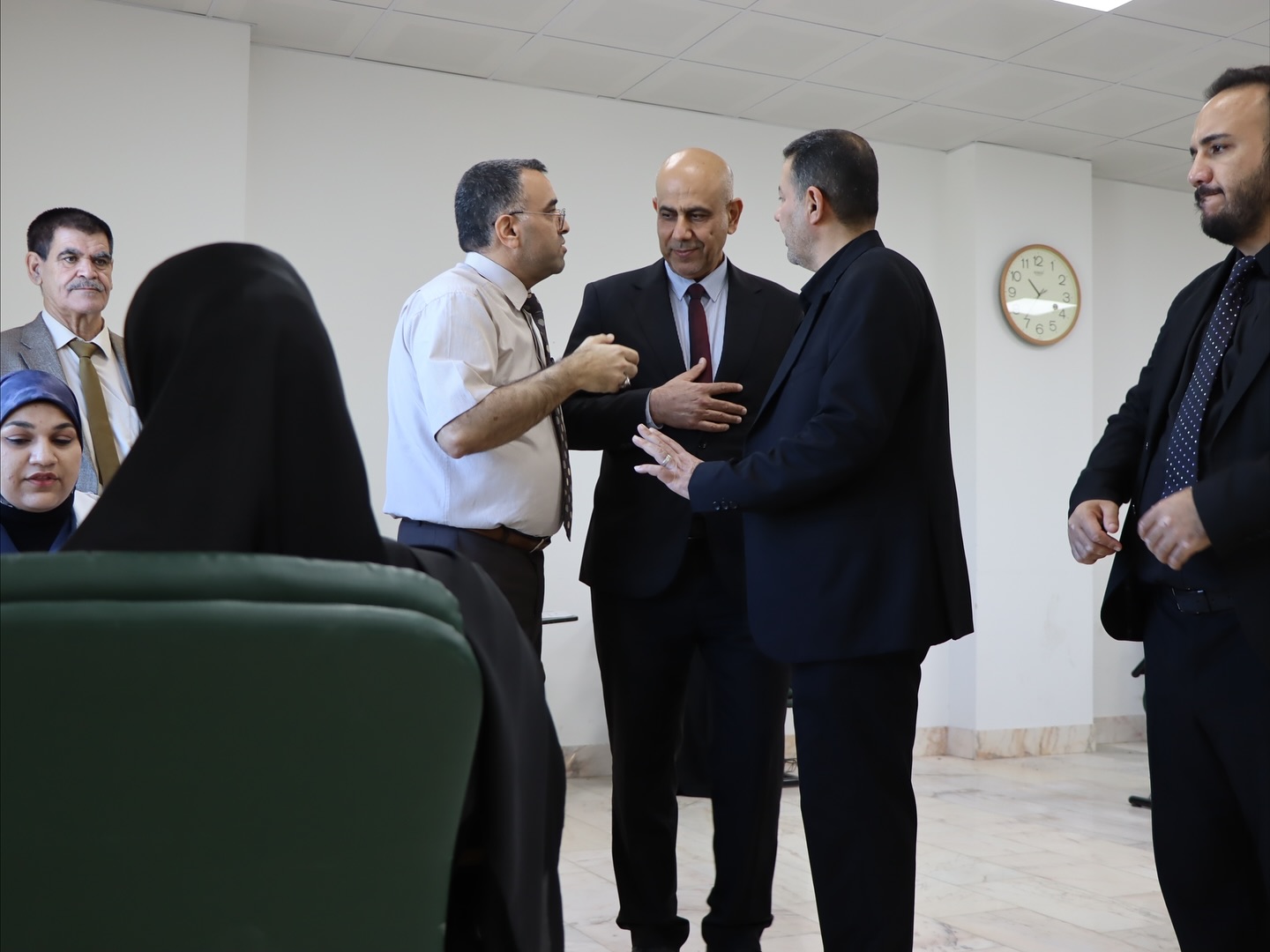
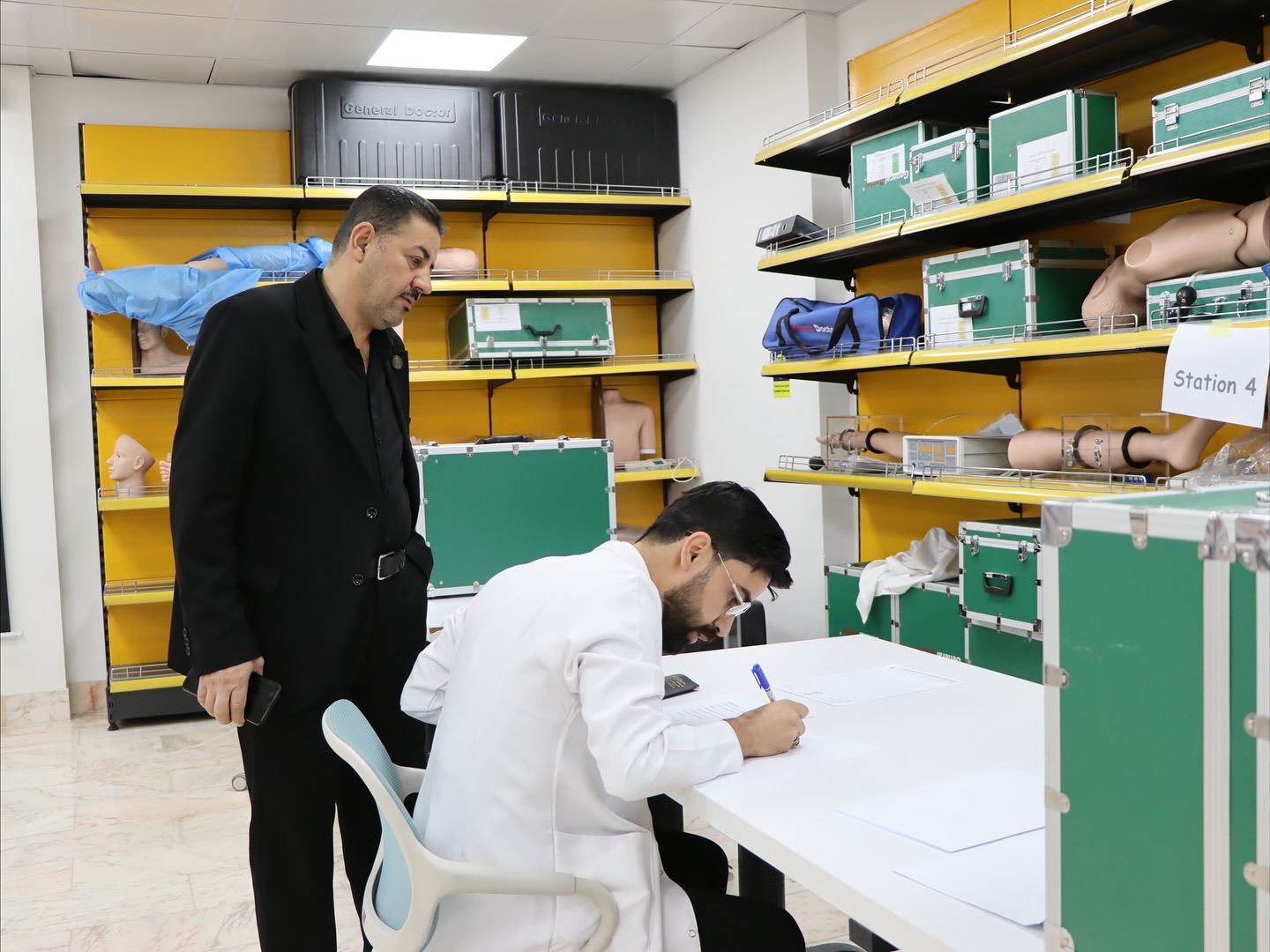
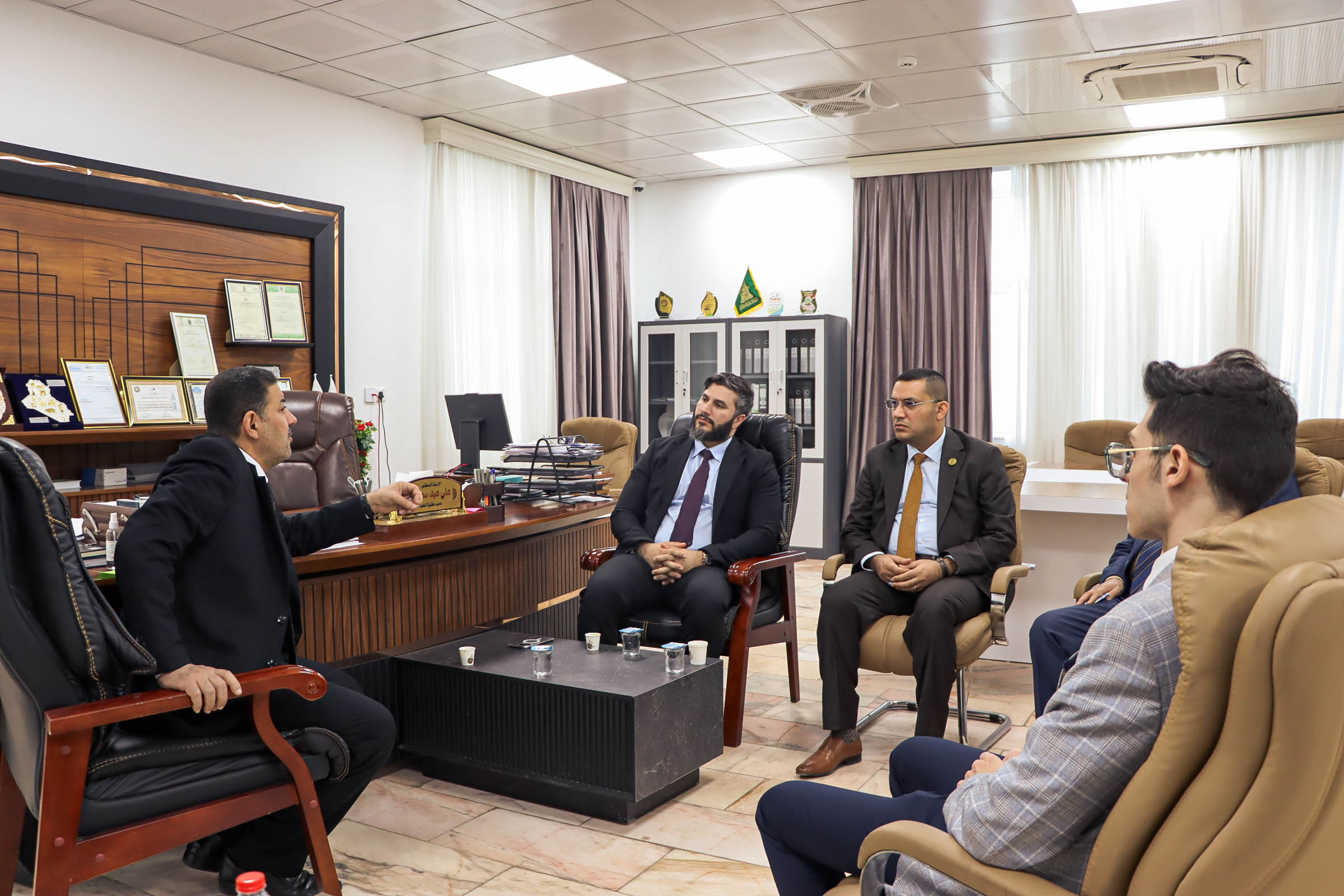
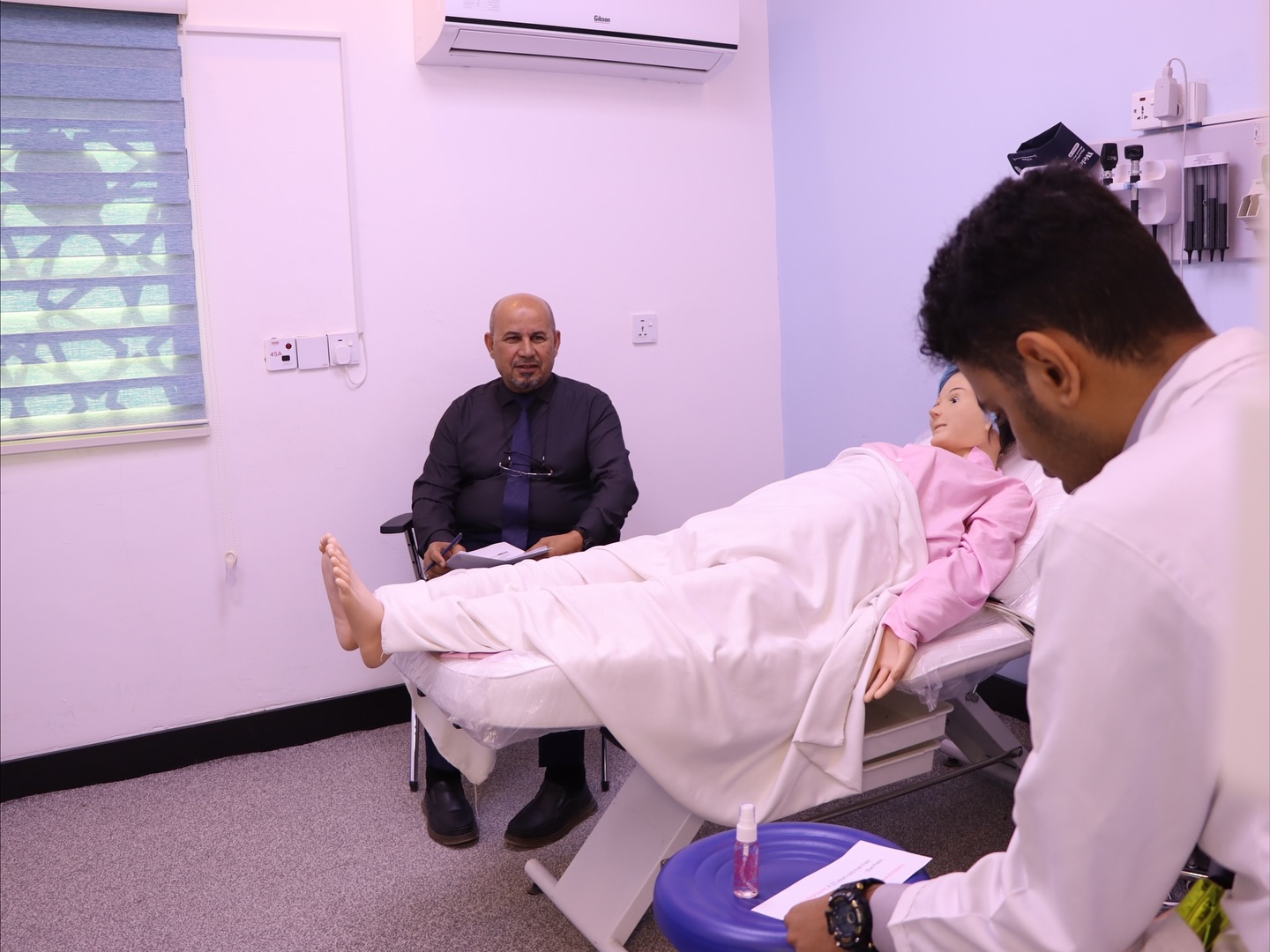
Under the supervision of Professor Dr. Ali Abdul Saadoun Al-Ghazi, Dean of the College of Medicine at Warith Al-Anbiya University, the college conducted OSCE exams for fourth-year students in Internal Medicine, Surgery, Obstetrics and Gynecology, and Community Medicine. These exams are among the most important assessment stages in a medical student's journey, as they measure their ability to practically apply the clinical knowledge they have acquired during their previous years of study.
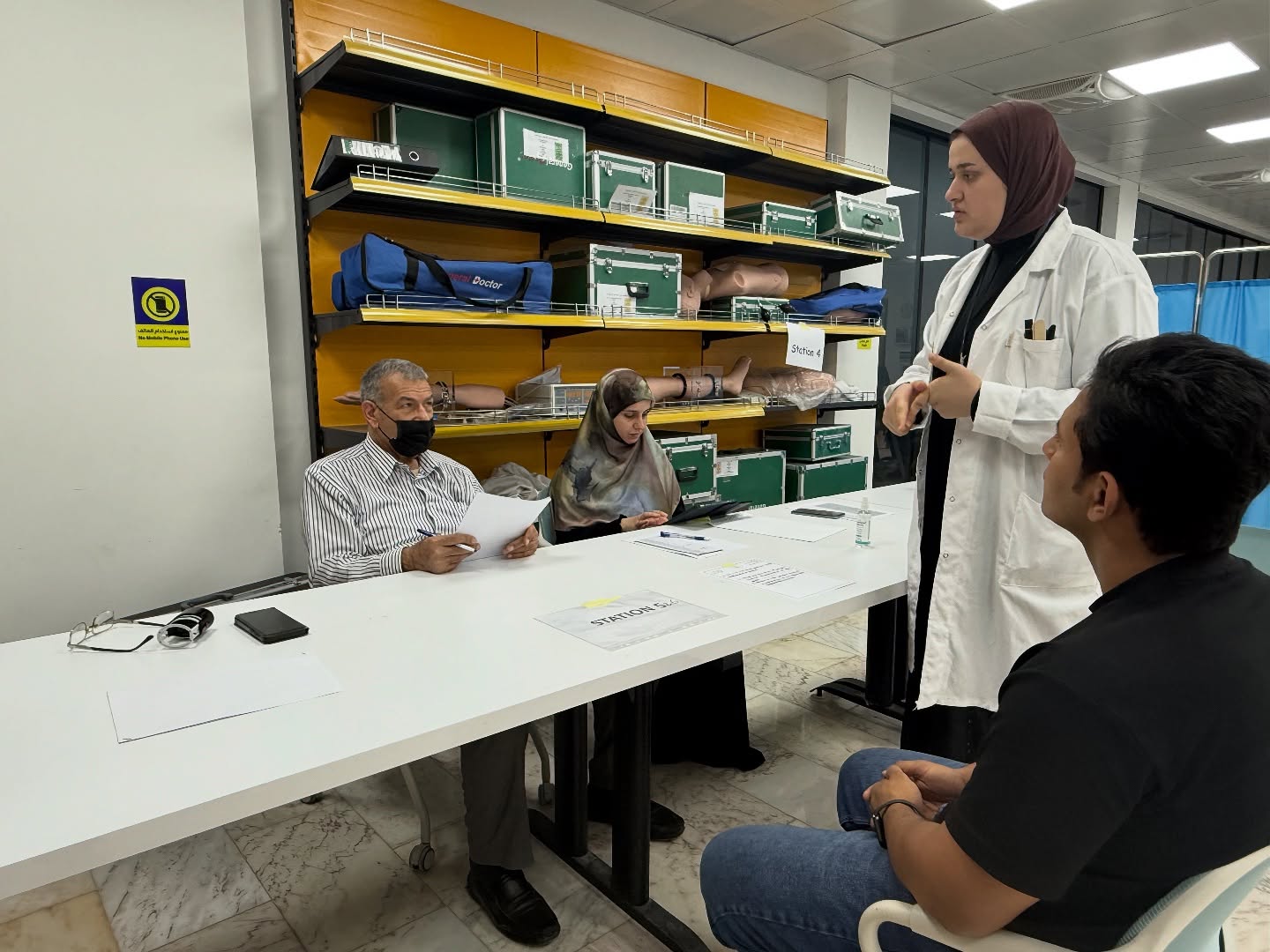
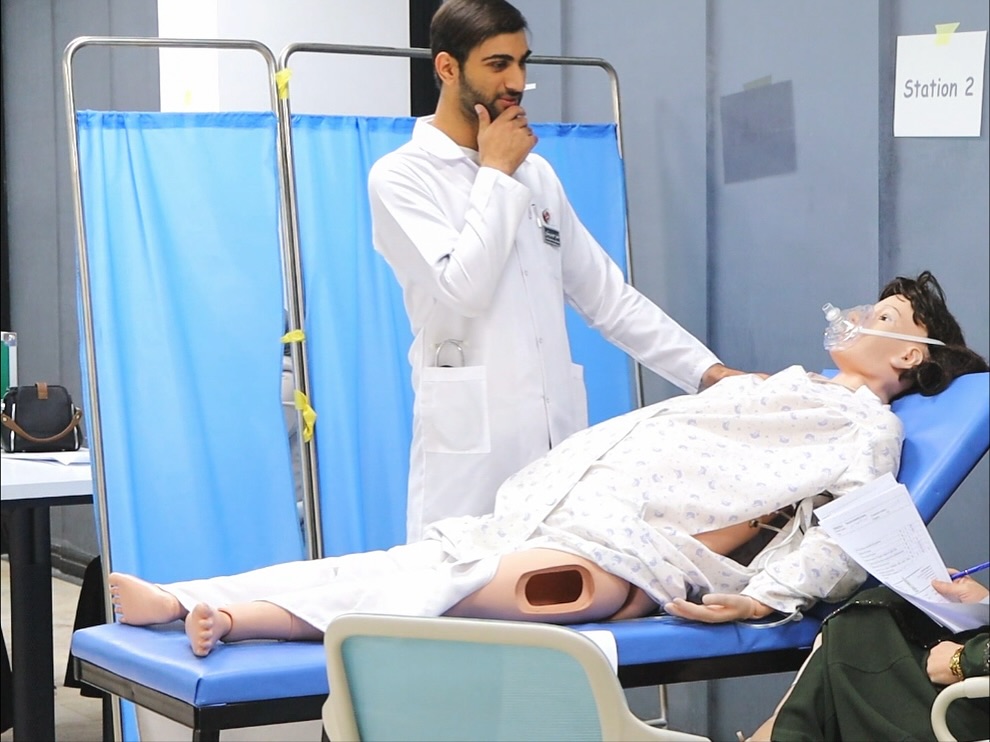
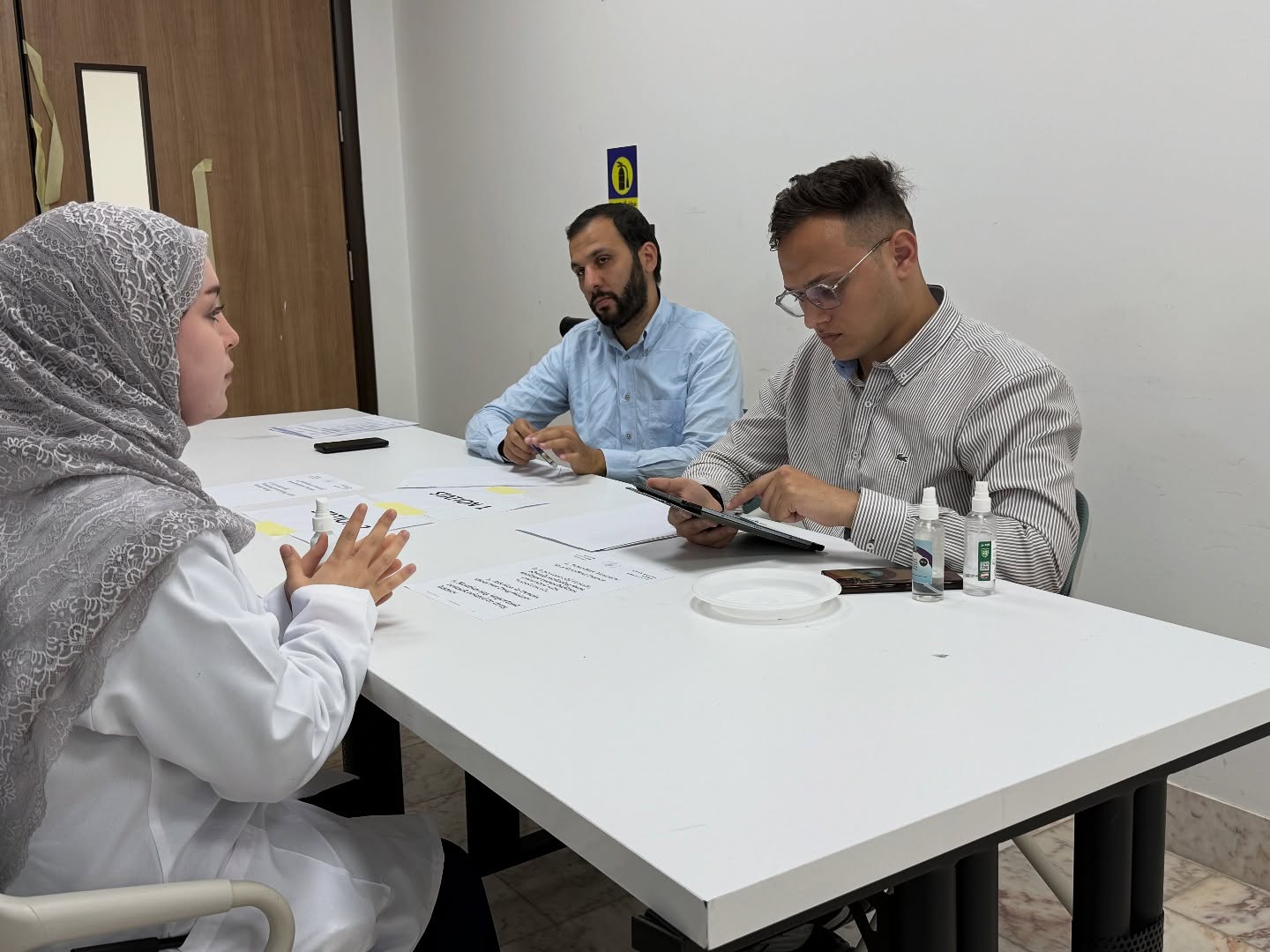
The exams were characterized by their high level of organization and the distribution of students across multiple clinical stations, carefully designed to cover various medical aspects—from taking a medical history and performing a physical examination to communication skills, diagnosing clinical cases, and managing time while interacting with patients.
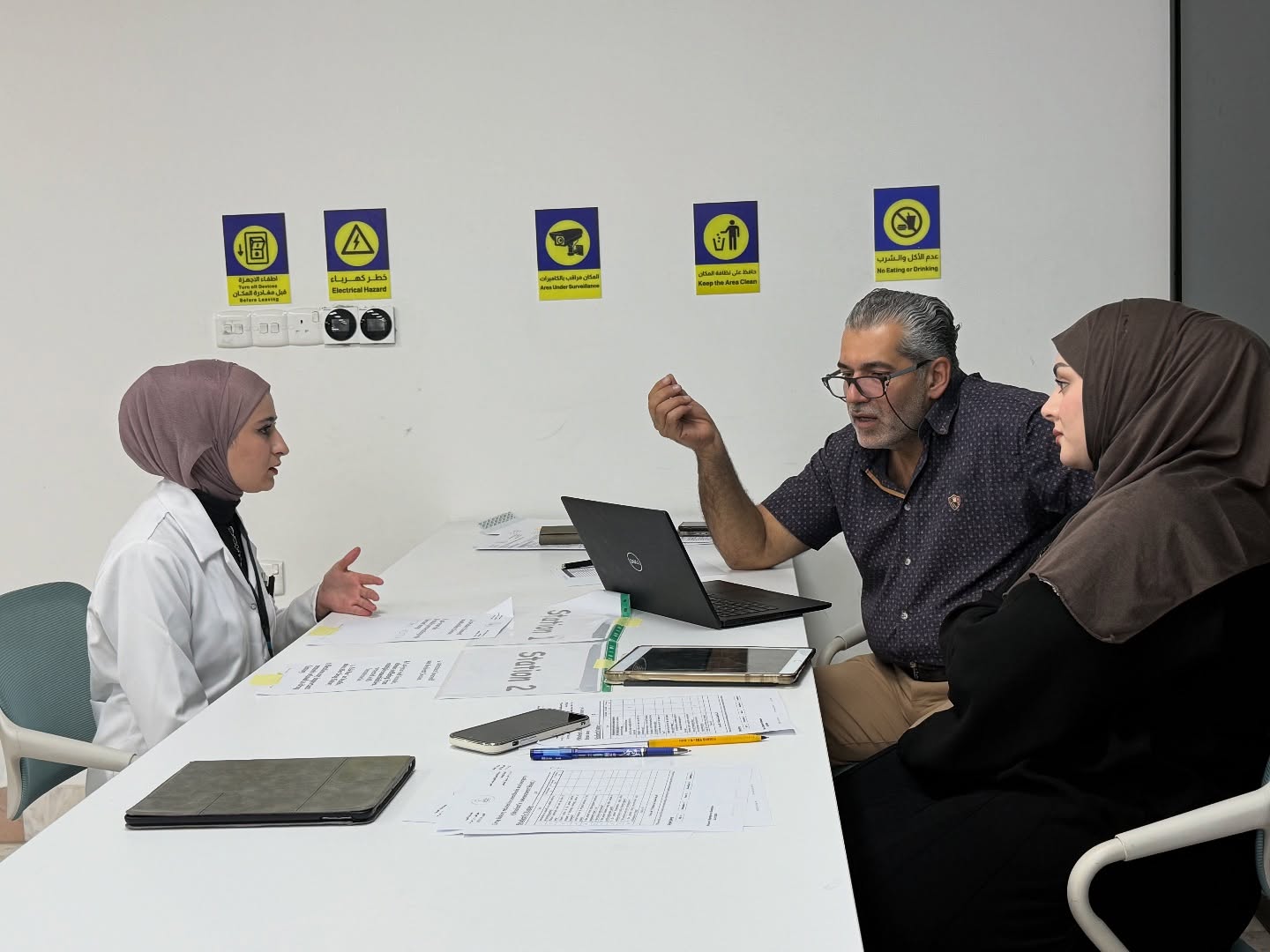
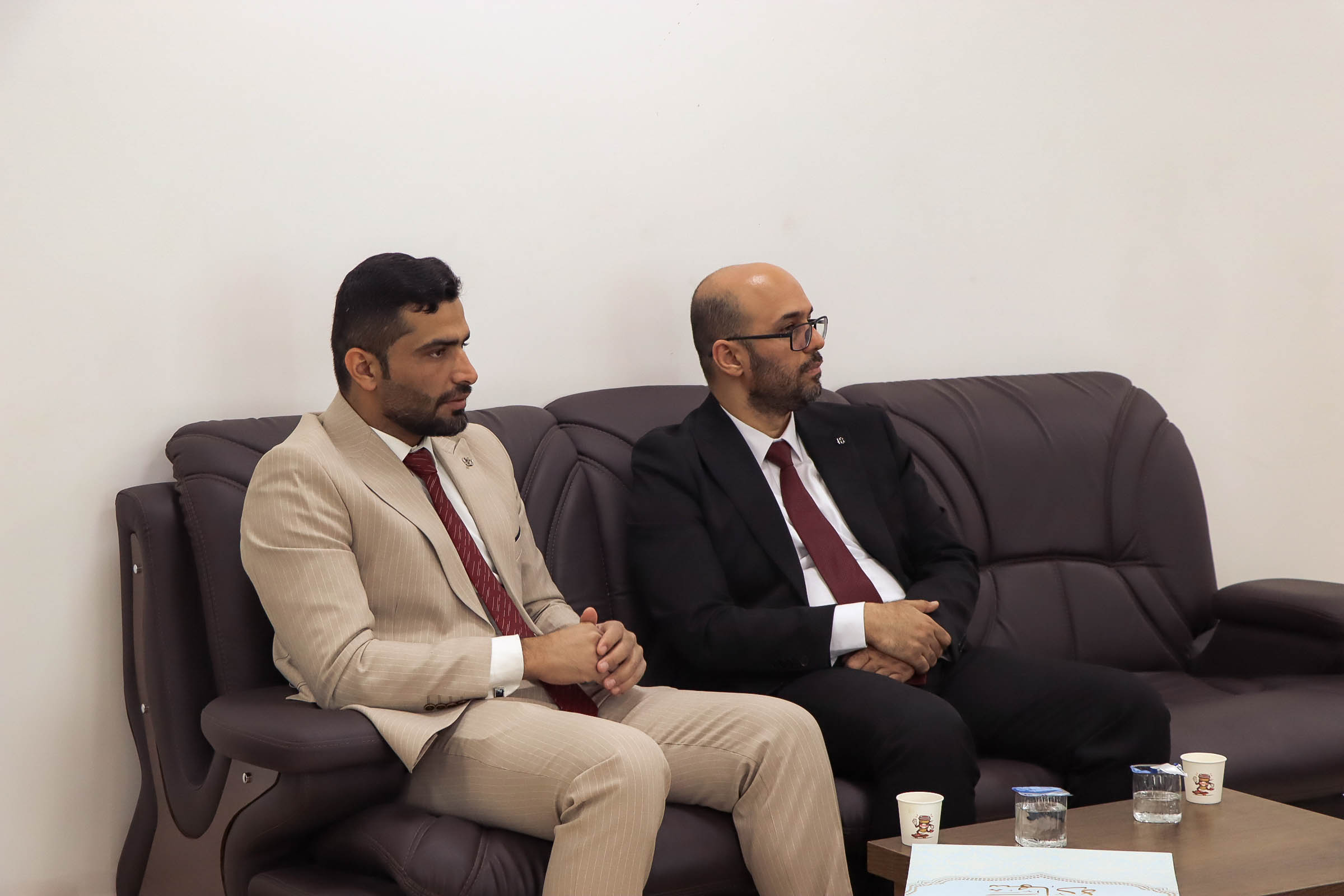
A select group of faculty members from the college and physicians from teaching hospitals participated in supervising and evaluating the exams, thus enhancing the integration of academic and practical aspects and preparing students for the demands of real clinical practice. These exams aim to assess the student's overall competence in patient care, not only in theoretical knowledge but also in clinical reasoning and sound medical decision-making. This is a crucial step in the college's vision of preparing physicians who are scientifically, professionally, and ethically distinguished.
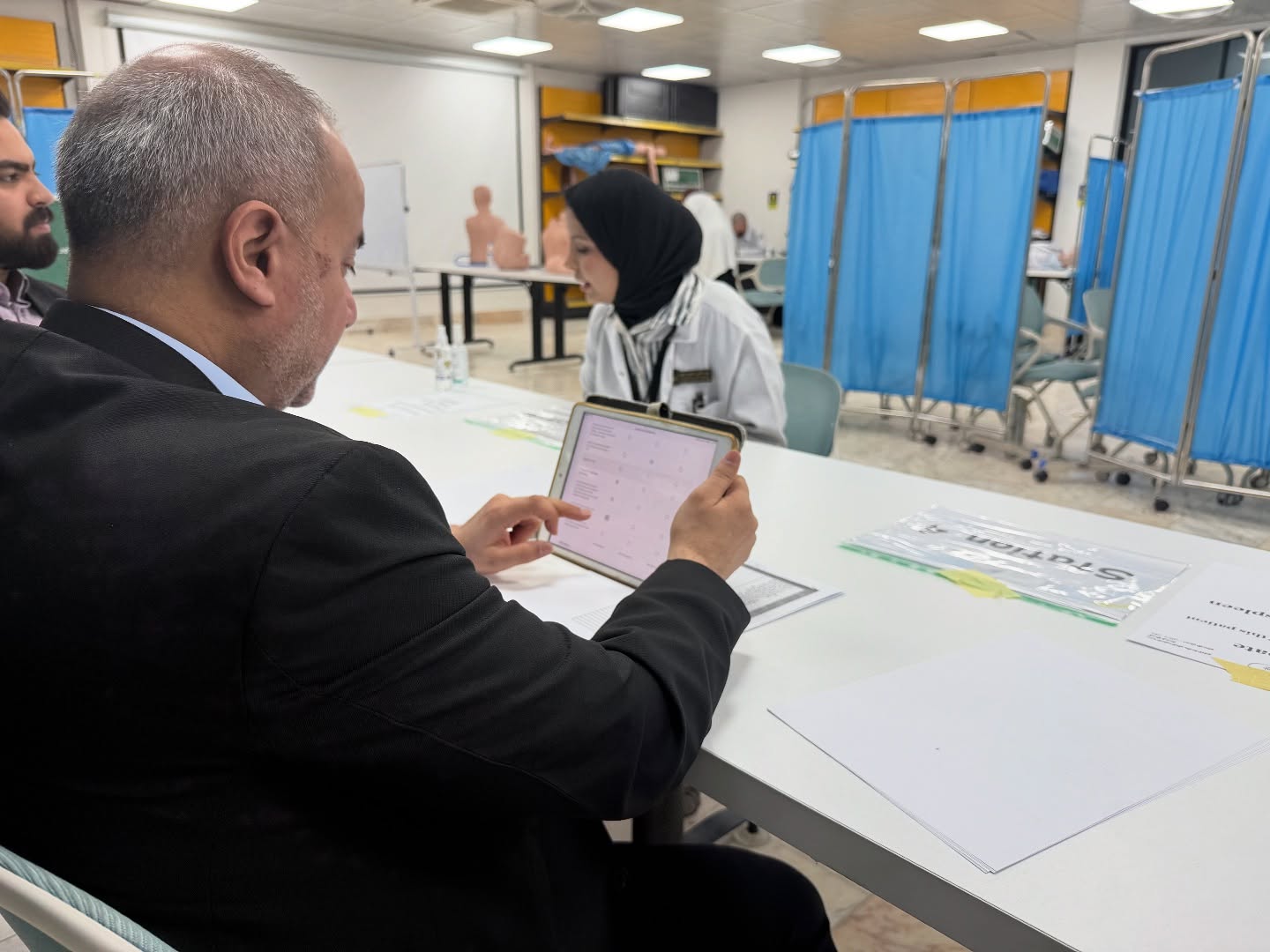
In a new development, this year saw the adoption of an electronic assessment system for the first time, using iPads equipped with digital checklists instead of traditional paper forms. This enabled a more accurate and immediate assessment process, enhancing transparency and expediting the electronic collection and analysis of results.